







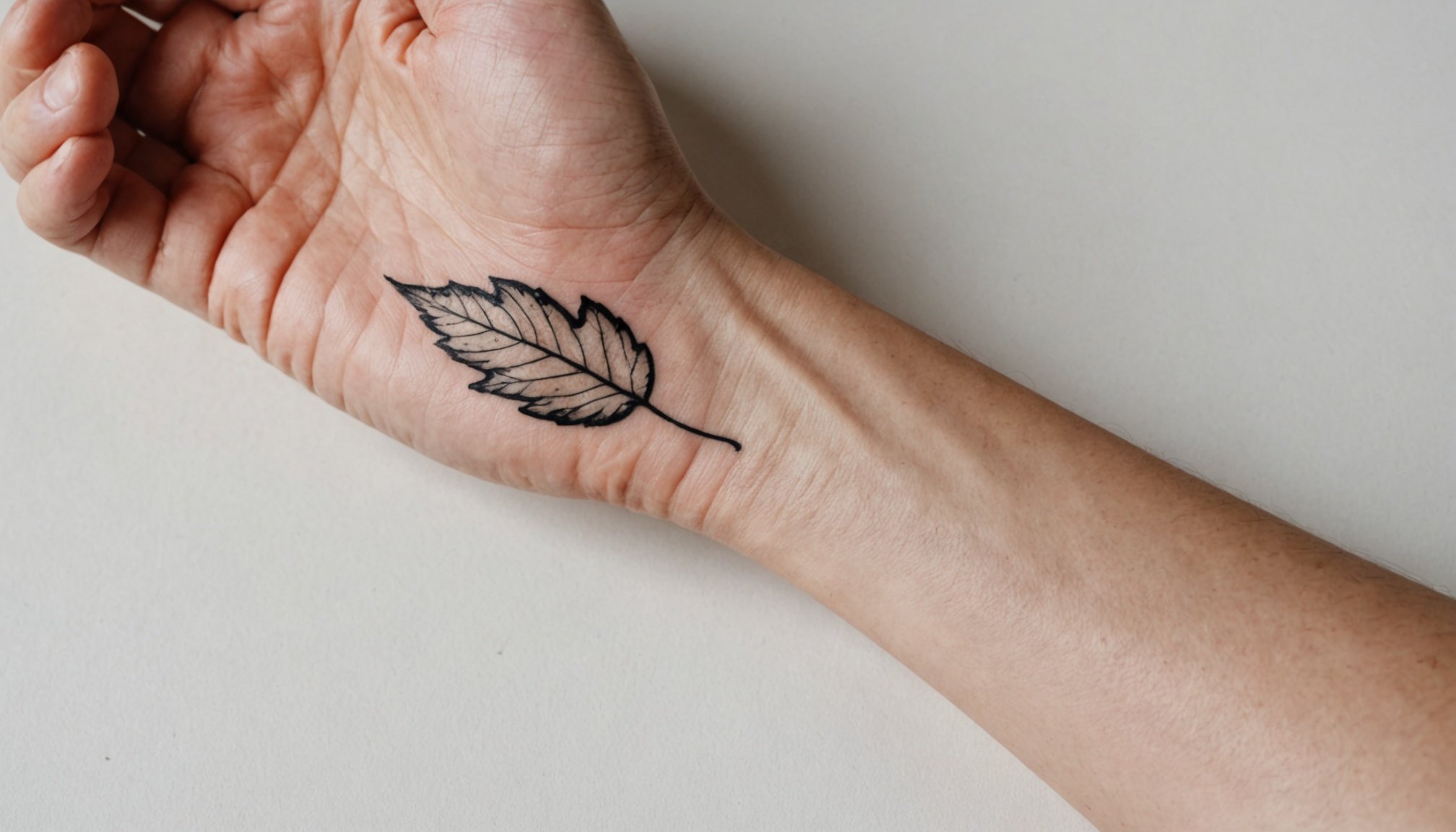
Fine line tattoos have reshaped the world of contemporary tattooing, bringing forward an artistic vision where subtlety meets sophistication. Defined by delicate designs and crisp, thin lines, this approach captivates both young adults and seasoned collectors seeking understated beauty with personal resonance. As minimalist tattoos continue to trend, more people are drawn to these intricate designs for their ability to express individuality in a uniquely elegant way.
What defines a fine line tattoo?
A subtle fine line tattoos that last 1–2 weeks is recognized by its use of ultra-thin lines that create images or text with a light, almost ethereal effect. Minimal shading keeps the focus on clarity and precision, resulting in subtle tattoos that speak volumes without overwhelming the skin. This refined method appeals to those who prefer simplicity and grace over bolder, more saturated artwork.
Also to read : Protect Your Skin: Effective Strategies to Combat Hard Water Issues in the UK
The visual charm lies in achieving a soft, minimalist look. Minimalist tattoos featuring geometric shapes, botanical elements, simple scripts, or micro-realistic portraits thrive with this technique. Tattoo artists specializing in fine line work carefully balance each element, ensuring the result feels intentional and effortlessly stylish.
Origins and evolution of fine line tattoos
While many see fine line tattoos as a modern phenomenon, their roots run deeper. Early forms appeared in prison tattoo culture, where resourcefulness was key due to limited tools. Over time, tattoo artists adopted and elevated these techniques as equipment evolved, refining linework and expanding creative possibilities.
Also read : How has the digital landscape changed the UK women’s fashion and beauty industry?
The movement gained momentum in the 2010s alongside the rise of minimalism in design and fashion. Social media amplified the popularity of monochrome tattoos and delicate styles, inspiring a new generation of artists to experiment with intricate, small tattoos. Today, fine line art flourishes among those who value authentic self-expression and wearable art.
Symbolic meanings behind fine line tattoo designs
Beyond aesthetics, fine line tattoos are often chosen for their rich symbolic depth. Designs crafted from thin lines can represent vulnerability, resilience, or deeply held beliefs. For instance, a single-line flower may symbolize growth, while minimalist animal outlines evoke freedom or transformation.
Small tattoos placed discreetly—such as behind the ear or along the ribs—offer space for private meanings. Choosing delicate designs often reflects a desire for quiet strength and thoughtful self-representation, favoring subtle impact over loud statements.
Techniques and tools used in fine line tattooing
Success with fine line tattoos depends on advanced skills and specialized tools. Experienced tattoo artists select high-quality machines—often using single-needle or three-needle configurations—to achieve smooth, consistent lines. Steady pressure and precise hand control are essential for maintaining the integrity of each stroke.
Attention to detail is paramount: proper sterilization, premium monochrome inks, and exact stencil placement ensure lasting results. Many artists work under magnification to render intricate designs smaller than a coin. Each session requires patience and focus, producing artwork admired for its timeless elegance.
Popular stylistic trends in fine line tattoos
Nature-inspired minimalist tattoos—like slender branches, flowers, or tiny insects—are especially popular today. Portraits, too, appear frequently, rendered with gentle contours instead of bold outlines. Geometric symbols and astrological motifs offer spiritual meaning within a compact format, while micro tattoos showcase the versatility of this elegant style.
Monochrome tattoos using only black or grey pigment reinforce the refined sensibility at the heart of fine line tattooing, allowing even the smallest pieces to make a sophisticated statement.
Specialized tools for creating fine line tattoos
Tattoo artists committed to fine line work invest in meticulously tuned rotary or coil machines designed for exceptional detail. Needles labeled as “single needle” or “three round liner” allow for razor-sharp, reliable lines crucial to successful minimalist tattoos.
Additional accessories—like adjustable power supplies, ergonomic grips, and lightweight pigments—support comfort and consistency during intricate sessions. These innovations help artists push creative boundaries while ensuring safety and clarity over time.
Advantages of choosing a fine line tattoo
The appeal of fine line tattoos extends far beyond aesthetics. They tend to age gracefully, especially when properly maintained, and their flexibility means they suit both visible and discreet placements according to individual preference.
Versatility stands out as a significant benefit. Delicate designs integrate seamlessly with existing body art or stand alone for a subtle effect. The shorter sessions and lighter touch often associated with small tattoos also make them ideal for those with lower pain tolerance or first-time clients.
- Less painful thanks to fewer passes and gentle technique
- Subtle tattoos well-suited for professional settings
- Customizable for diverse symbols and messages
- Lightweight look perfect for newcomers to tattooing
How to care for your fine line tattoo
Proper aftercare is critical for preserving the sharpness of thin lines and keeping monochrome tattoos vibrant. Immediately following your appointment, clean gently and moisturize with fragrance-free products recommended by your artist. Protecting the area from sun exposure prevents premature fading and helps maintain detail.
Regular check-ins with your tattoo artist support optimal healing and can address any needed touch-ups. Wearing loose, soft clothing reduces friction, while daily sunscreen application shields against UV damage. Consistent care ensures your intricate designs remain clear and striking for years to come.
- Clean gently twice daily during initial healing
- Shield from direct sunlight and avoid tanning beds
- Use unscented moisturizer to keep skin hydrated
- Opt for soft fabrics to minimize irritation
| Aftercare Action | Recommended Frequency | Benefit |
|---|---|---|
| Cleaning with mild soap | Twice per day (first week) | Keeps site bacteria-free |
| Moisturizer application | 2–3 times/day | Promotes even healing |
| Sunscreen use | Daily after healing | Prevents fading |
| Avoiding tight clothing | Ongoing | Reduces irritation |
Questions about fine line tattoos: advice and practical solutions
Do fine line tattoos fade faster than standard tattoos?
Fine line tattoos use less ink and thinner lines, which can make them seem to fade a bit faster if not cared for diligently. Their longevity depends on factors like placement, sun protection, and skincare habits. With attentive maintenance—such as moisturizing and shielding from UV rays—these tattoos can retain their elegance for years.
- Moisturize regularly
- Limit sun exposure
- Schedule touch-ups as needed
| Factor | Impact on longevity |
|---|---|
| Sun exposure | High |
| Skin type | Medium |
| Tattoo placement | Variable |
Are fine line tattoos more painful than other styles?
Because fine line tattoos require fewer passes and less ink, most people describe the sensation as milder compared to traditional styles. Individual pain levels vary based on body location and sensitivity, but generally, the discomfort is comparable to a gentle scratch or vibration.
- Shorter sessions mean less overall discomfort
- Smaller areas often feel less intense
| Tattoo style | Typical pain level |
|---|---|
| Fine line tattoos | Low–Moderate |
| Traditional/tribal tattoos | Moderate–High |
Which parts of the body are best suited for fine line tattoos?
Areas with smooth, low-friction skin—such as wrists, forearms, collarbones, ankles, and behind the ear—are ideal for fine line tattoos. Regions that experience frequent rubbing or stretching, like fingers or feet, may cause thin lines to blur sooner over time.
- Wrist and forearm for versatile visibility
- Collarbone and shoulder for an elegant display
- Behind the ear for a truly subtle tattoo
Can tattoo artists add color to fine line tattoos?
While most fine line tattoos remain monochrome to preserve crispness, some tattoo artists incorporate soft touches of color. Pastel hues or watercolor effects can enhance personality, but heavy saturation should be avoided to protect the definition of thin lines.
- Light washes of color work best
- Classic black and grey maintain clarity
In summary, fine line tattoos combine minimalist artistry, meaningful symbolism, and technical mastery to offer a refined form of self-expression. Whether you’re considering your first small tattoo or adding to a growing collection, this elegant style invites you to embrace subtlety and creativity for body art that endures. Ready to explore a delicate design that speaks to your story?